
Why Your Driveway Gets Slippery in Scotland (And How to Fix It)
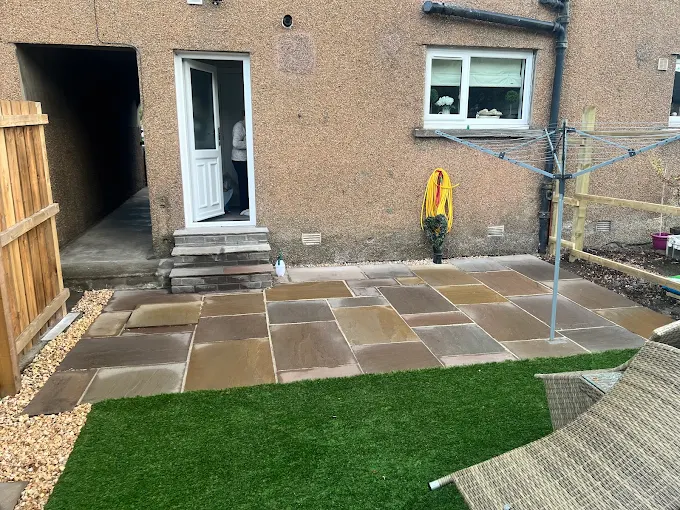
If you live in Stirling, Falkirk, or anywhere in Central Scotland, you already know the problem. Your driveway, patio, or garden path gets a green or black film across it every year. It looks bad. Worse, it is genuinely dangerous when wet. Slippery driveways cause falls, and on a frosty morning one wrong step can mean a trip to A&E.
The good news is that this is fixable. The cause is almost always biological growth, and the right cleaning method removes it completely.
What makes driveways slippery in Scotland
The short answer is moisture. Scotland’s climate gives us long wet winters, mild temperatures, and limited direct sunlight for months at a time. That is the perfect environment for three things:
- Moss builds up in joints between paving slabs, block paving, and along edges where water sits. It spreads fast in shaded areas.
- Algae forms a thin green or dark film across the surface. It is almost invisible when dry but becomes extremely slippery when wet.
- Black mould and lichen take hold on textured surfaces like tarmac, concrete, and natural stone. They hold moisture and create a permanently damp surface.
All three thrive in the same conditions: shade, moisture, and surfaces that are not cleaned regularly. North-facing driveways and patios under trees are the worst affected.
Why a standard hose or household cleaner will not work
Most people try hosing the driveway down or scrubbing it with bleach. Neither works well. A garden hose does not have enough pressure to lift biological growth from textured surfaces. Bleach kills surface algae temporarily but does not remove moss roots or the biofilm underneath. Within weeks, the growth comes back.
Household pressure washers from a DIY store are better than a hose, but they often lack the power to clean deeply without damaging the surface. Too much pressure on block paving, for example, can blast sand out of the joints, which leads to loose blocks and weed growth.
Professional pressure washing uses commercial-grade equipment calibrated to the surface type. The pressure is high enough to strip biological growth and embedded dirt without damaging the material underneath. For softer surfaces like painted render, timber decking, or older natural stone, soft washing uses a lower pressure combined with a biodegradable treatment that kills growth at the root.
What professional driveway cleaning involves
A typical driveway or patio clean in Stirling takes between two and four hours depending on the size and condition. Here is what the process looks like:
- Assessment of the surface type and the level of growth. Different materials need different pressure settings and nozzle types.
- Pre-treatment with a biodegradable algae and moss killer. This loosens the growth before washing and kills spores that pressure alone would miss.
- Pressure washing at the correct PSI for the surface. Block paving, flagstones, tarmac, and concrete all have different tolerances.
- Joint re-sanding for block paving. If the sand between blocks has been lost over time, fresh kiln-dried sand is swept in after cleaning to stabilise the surface and reduce future weed growth.
- Optional sealer application. A breathable sealant on block paving or natural stone slows down future biological growth and makes the surface easier to maintain.
The result is a surface that looks close to new and is safe to walk on in all weather conditions.
How to slow down regrowth between cleans
No outdoor surface stays perfectly clean forever in Scotland. But you can slow regrowth significantly:
- Clear leaves and debris regularly. Organic matter holds moisture and feeds moss and algae.
- Improve drainage. Standing water is the biggest cause of persistent growth. If water pools on your driveway after rain, the fall of the surface may need adjusting.
- Cut back overhanging trees and hedges. More sunlight and airflow across the surface means it dries faster after rain.
- Apply a moss inhibitor annually. A single treatment in autumn can reduce growth through the winter months.
- Keep joints filled. Empty joints between paving slabs or blocks invite moss and weeds. Top them up with kiln-dried sand or a jointing compound.
These steps do not replace a proper clean, but they extend the time between professional visits from every year to every 18 to 24 months.
It is not just driveways
The same biological growth that makes driveways slippery also affects patios, garden paths, steps, decking, and even rendered walls. If one area of your property is affected, others usually are too.
Our property maintenance service covers all exterior surfaces. If you are planning a garden redesign or new paving, our landscaping team can advise on materials and drainage that reduce long-term maintenance.
What it costs
Most driveway and patio cleaning jobs in Central Scotland fall between £150 and £400 depending on the area and condition. That is a fraction of the cost of replacing a surface that has deteriorated from years of unchecked biological growth. It also takes a genuine safety hazard off your property.
Get your driveway cleaned properly
Four Seasons Stirling provides professional pressure washing and soft washing across Stirling, Falkirk, Glasgow, Edinburgh, and Central Scotland. We clean driveways, patios, paths, decking, and walls using commercial equipment and biodegradable treatments.
Call us on 07383 531 328 or get a free quote to book a visit.